

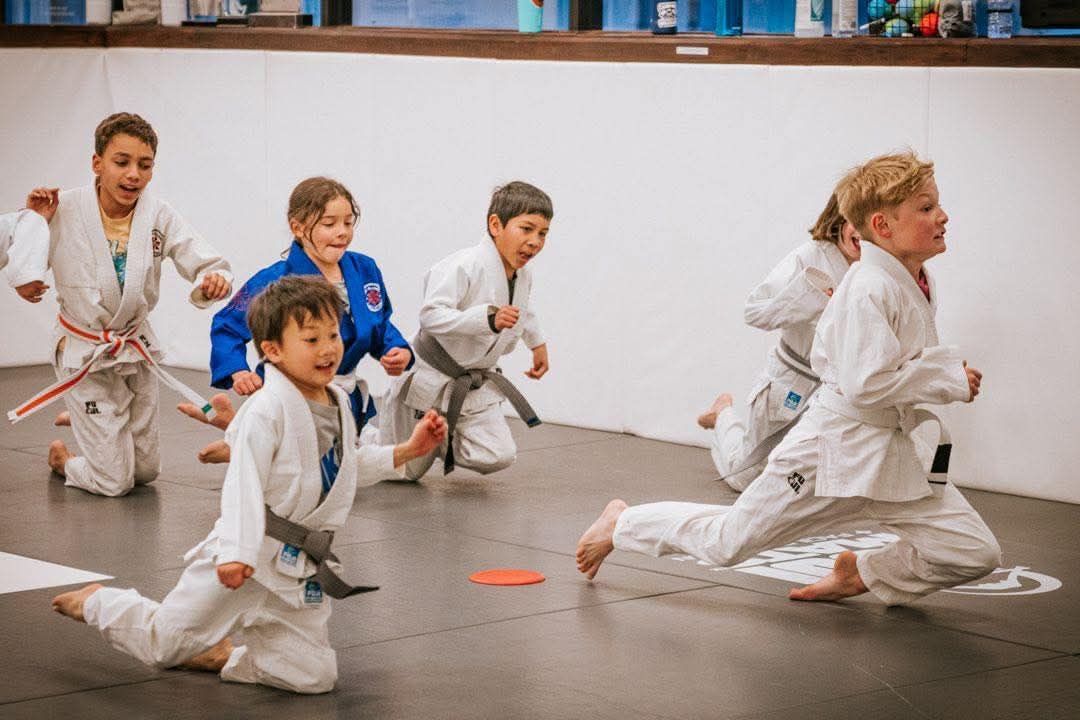
Colorado summers are beautiful. Families enjoy parks, pools, hiking, biking, lakes, playgrounds, and long sunny days. But parents also know that not every summer day can be spent outside. Some days are too hot. Some days schedules are busy. Some days kids need structure. And some days parents simply want an activity that is healthy, productive, and meaningful. That is where Jiu-Jitsu can help. Brazilian Jiu-Jitsu is one of the best indoor summer activities for kids because it combines movement, discipline, confidence, coordination, self-defense, and fun in a safe and structured environment. At Six Blades Jiu-Jitsu South Denver, our kids program helps children develop important physical and mental skills. During class, students learn how to roll, balance, stand up, fall safely, move their hips, coordinate their arms and legs, follow directions, and work with training partners. These skills help improve motor development, body awareness, strength, mobility, agility, and focus. But the benefits go far beyond physical movement. Jiu-Jitsu also helps children learn patience, respect, resilience, listening skills, teamwork, and emotional control. They learn that it is okay to make mistakes. They learn how to try again. They learn how to handle challenge in a positive way. For many parents, this is exactly what they are looking for during summer: an activity that gives kids structure without taking away the joy of being a kid. Jiu-Jitsu classes are active and engaging, but they are also purposeful. Children are not just running around to burn energy. They are learning skills that can help them in school, sports, friendships, and everyday life. Another great benefit is that Jiu-Jitsu is accessible to many different types of children. Your child does not need to be naturally athletic. They do not need to be aggressive. They do not need prior experience. They simply need a safe place to learn and grow. At Six Blades, we offer programs for different ages, including young children, juniors, teens, and family-oriented training options. Our goal is to create a clean, welcoming, and professional environment where children can build confidence step by step. If you are looking for an indoor activity for your child this summer in Littleton, Highlands Ranch, Centennial, or South Denver, Jiu-Jitsu may be the perfect choice. It keeps kids moving. It teaches discipline. It builds confidence. It supports motor development. It gives families a positive community. Schedule a free orientation class at Six Blades Jiu-Jitsu South Denver and discover why so many local families choose Jiu-Jitsu as part of their summer routine.

Many adults think about starting Jiu-Jitsu for months or even years before they finally walk through the door. The most common thoughts are: “I need to get in shape first.” “I am too old.” “I do not want to get hurt.” “I have no martial arts experience.” “I will be embarrassed.” “Everyone else will be better than me.” If you have had any of these thoughts, you are not alone. The truth is that many adults start Jiu-Jitsu in their 30s, 40s, 50s, and beyond. You do not need to be in perfect shape before starting. You do not need previous experience. You do not need to be flexible, strong, or athletic. You just need the right environment. At Six Blades Jiu-Jitsu South Denver, we believe adult beginners should be guided with structure, patience, and respect. Starting martial arts as an adult can feel intimidating, especially if you are out of shape, returning to exercise, dealing with stress, or managing old injuries. That is why our approach focuses on fundamentals, safety, movement, mobility, self-defense, and long-term development. Jiu-Jitsu is not only about fighting. For many adults, it becomes a way to move better, relieve stress, build confidence, improve fitness, learn self-defense, and reconnect with their body. It is also mentally engaging. Every class is like a physical puzzle. You learn how to solve problems under pressure, stay calm, control your breathing, and use technique instead of relying only on strength. For adults over 40, longevity matters. The goal is not to survive one intense class and never come back. The goal is to train intelligently, stay consistent, improve gradually, and build a practice that can support your health for years. A good Jiu-Jitsu school should not make beginners feel like they are being thrown into chaos. New students need guidance. They need to learn how to move, protect themselves, tap, train with partners, and understand the culture of the mats. At Six Blades, we take that first step seriously. If you are an adult in Littleton, Highlands Ranch, Centennial, or South Denver and you have been thinking about starting Jiu-Jitsu, this may be the right time. Summer can be a great season to begin because schedules often change, days feel longer, and it is a good moment to start a healthier routine. You are not too old. You are not too out of shape. You do not need to be ready. You just need to start in the right place. Schedule a free orientation class at Six Blades Jiu-Jitsu South Denver and take the first step toward confidence, movement, self-defense, and long-term growth.
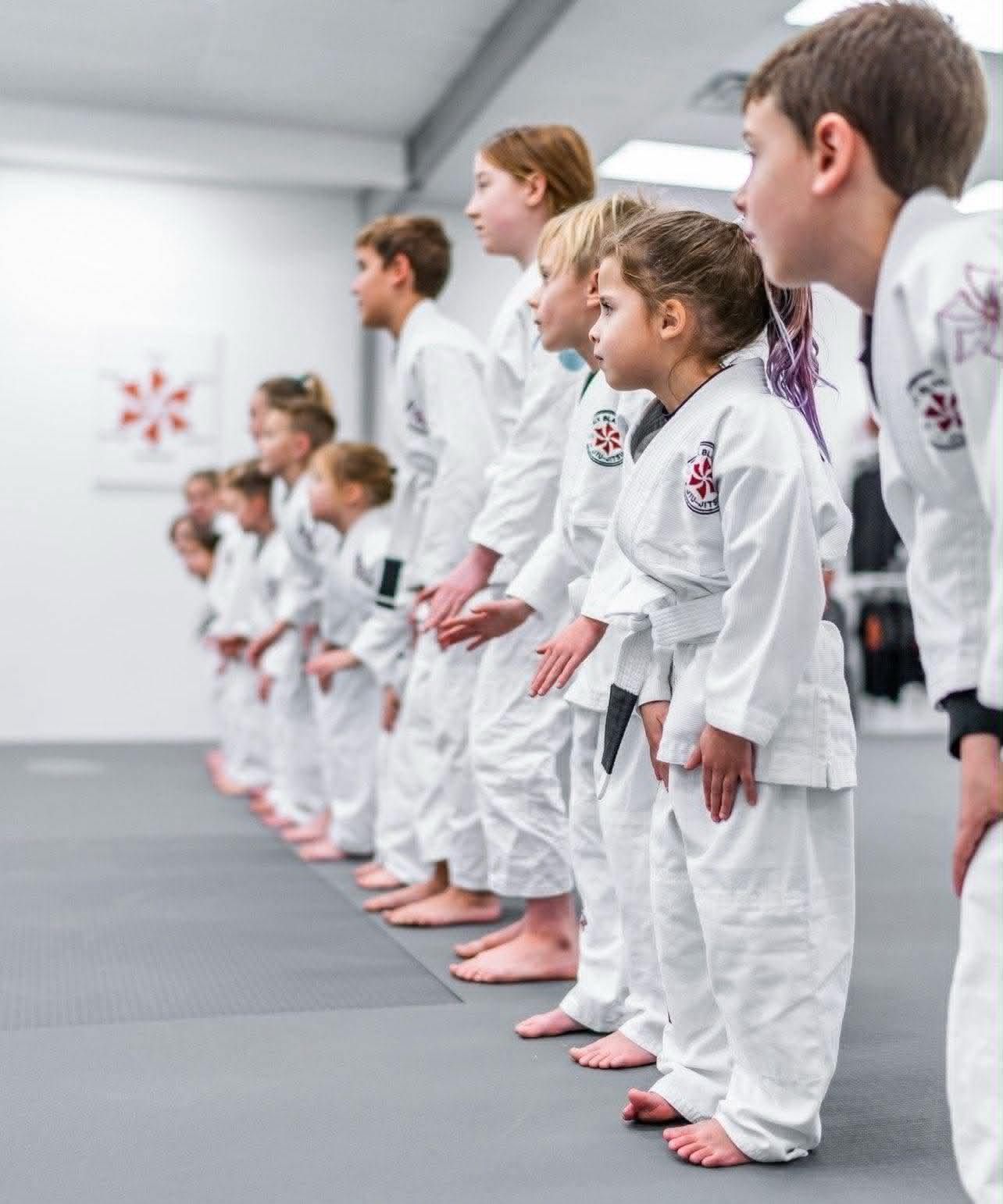
Every summer, parents face the same question: what should we do to keep the kids active, engaged, and learning while school is out? Summer camps can be a great option, but they can also be expensive, inconsistent, and sometimes more focused on keeping kids busy than helping them develop long-term skills. That is why many families in Littleton and South Denver are looking for alternatives or activities that offer more than entertainment. Brazilian Jiu-Jitsu is one of those options. Unlike many short-term summer activities, Jiu-Jitsu gives children a structured path of development. They are not just passing time. They are learning discipline, confidence, respect, focus, coordination, self-defense, teamwork, and emotional control. At Six Blades Jiu-Jitsu South Denver, our kids program is built around long-term growth. Every class gives students an opportunity to practice listening, following directions, working with partners, handling challenges, and improving their movement. A summer camp may last one week. Jiu-Jitsu can become a journey that supports your child for years. This does not mean parents need to choose only one. Many families use Jiu-Jitsu together with summer camps, vacations, swimming, outdoor activities, and family trips. The difference is that Jiu-Jitsu provides consistency and structure during a season when routines often become loose. Kids benefit from that structure. They need time to play, rest, and enjoy summer, but they also benefit from having a positive activity that challenges them and helps them continue growing. Jiu-Jitsu offers the perfect balance: movement, discipline, fun, confidence, and learning. Another important benefit is that Jiu-Jitsu is not limited to naturally athletic children. Some kids do not love team sports. Some feel intimidated by competition. Some need help with coordination. Some need help focusing. Some need more confidence. Jiu-Jitsu allows each child to progress at their own pace. Instead of comparing children to one another, the goal is to help each student become better than they were before. That is one of the reasons parents love Jiu-Jitsu as a summer activity. For families looking for something meaningful this summer in Littleton, Highlands Ranch, Centennial, or South Denver, Jiu-Jitsu can be an excellent choice. It keeps kids active, teaches valuable life skills, and helps build confidence that carries into the new school year. If you are looking for a summer activity with purpose, we would love to welcome your family to Six Blades Jiu-Jitsu South Denver.
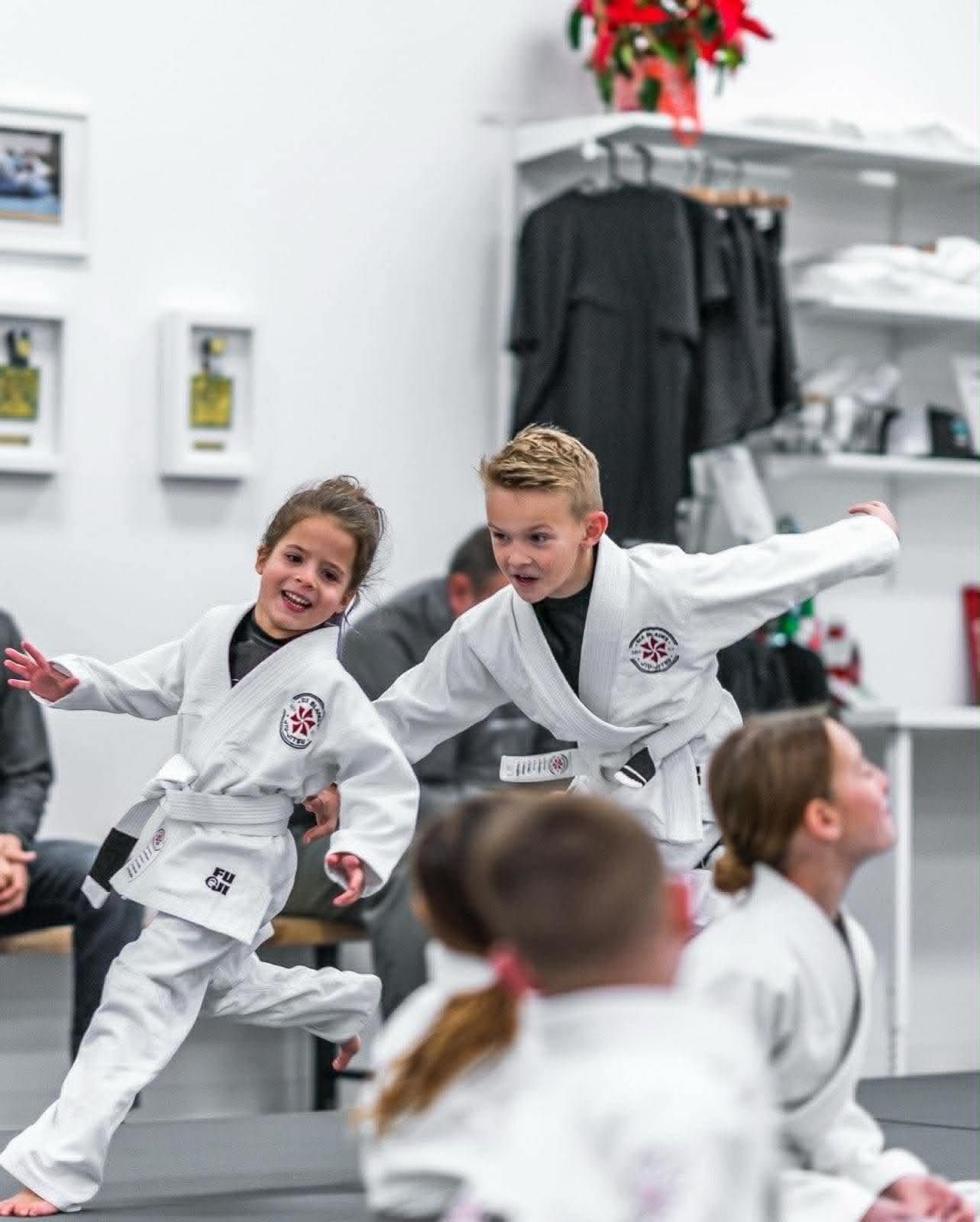
Every summer, parents face the same question: what should we do to keep the kids active, engaged, and learning while school is out? Summer camps can be a great option, but they can also be expensive, inconsistent, and sometimes more focused on keeping kids busy than helping them develop long-term skills. That is why many families in Littleton and South Denver are looking for alternatives or activities that offer more than entertainment. Brazilian Jiu-Jitsu is one of those options. Unlike many short-term summer activities, Jiu-Jitsu gives children a structured path of development. They are not just passing time. They are learning discipline, confidence, respect, focus, coordination, self-defense, teamwork, and emotional control. At Six Blades Jiu-Jitsu South Denver, our kids program is built around long-term growth. Every class gives students an opportunity to practice listening, following directions, working with partners, handling challenges, and improving their movement. A summer camp may last one week. Jiu-Jitsu can become a journey that supports your child for years. This does not mean parents need to choose only one. Many families use Jiu-Jitsu together with summer camps, vacations, swimming, outdoor activities, and family trips. The difference is that Jiu-Jitsu provides consistency and structure during a season when routines often become loose. Kids benefit from that structure. They need time to play, rest, and enjoy summer, but they also benefit from having a positive activity that challenges them and helps them continue growing. Jiu-Jitsu offers the perfect balance: movement, discipline, fun, confidence, and learning. Another important benefit is that Jiu-Jitsu is not limited to naturally athletic children. Some kids do not love team sports. Some feel intimidated by competition. Some need help with coordination. Some need help focusing. Some need more confidence. Jiu-Jitsu allows each child to progress at their own pace. Instead of comparing children to one another, the goal is to help each student become better than they were before. That is one of the reasons parents love Jiu-Jitsu as a summer activity. For families looking for something meaningful this summer in Littleton, Highlands Ranch, Centennial, or South Denver, Jiu-Jitsu can be an excellent choice. It keeps kids active, teaches valuable life skills, and helps build confidence that carries into the new school year. If you are looking for a summer activity with purpose, we would love to welcome your family to Six Blades Jiu-Jitsu South Denver.
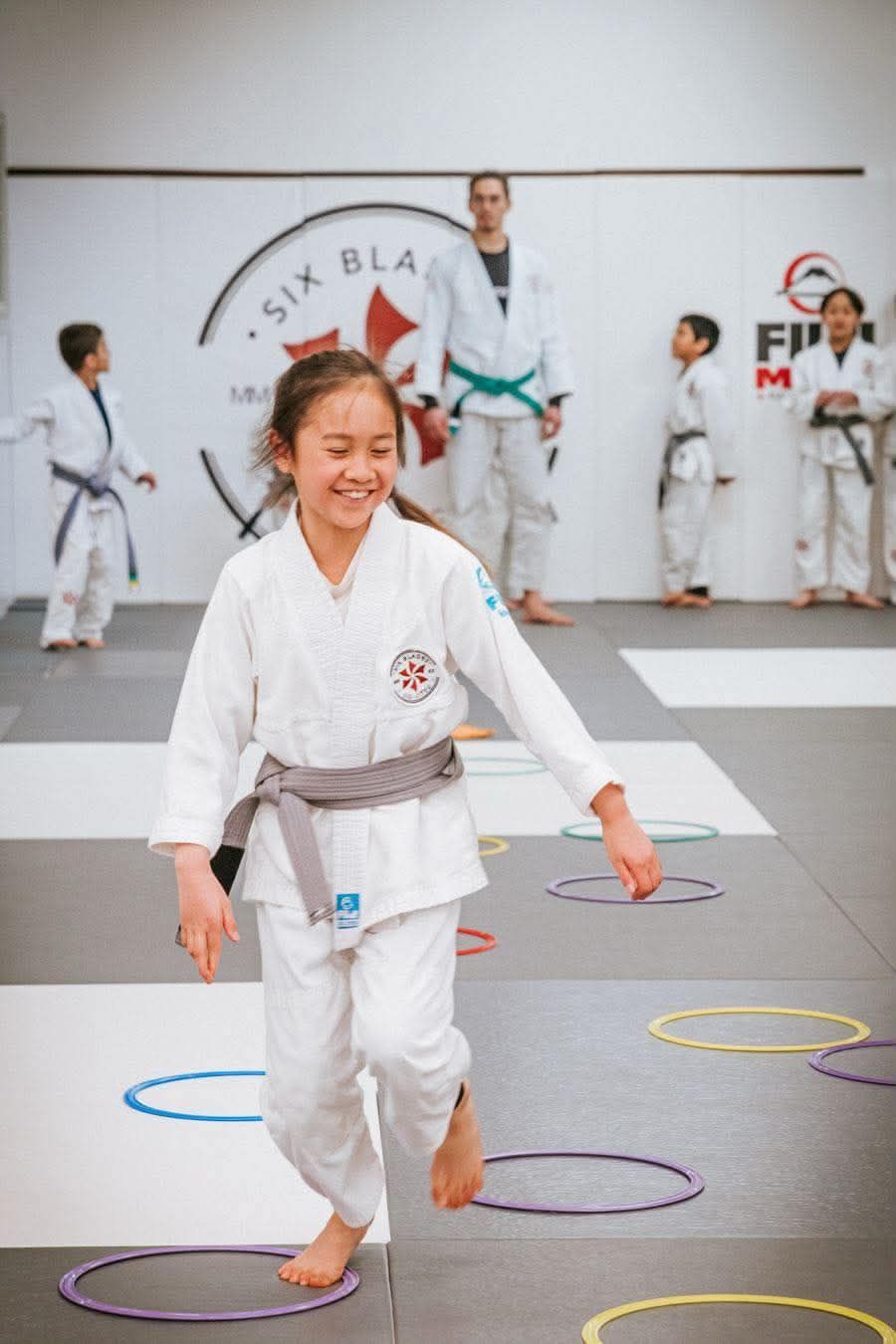
In today’s world, it has never been easier to communicate — yet many people feel more disconnected than ever before. Busy schedules, work demands, social media, stress, and modern routines often leave adults, teenagers, and even children feeling isolated, overwhelmed, and emotionally drained. At Six Blades Jiu-Jitsu South Denver , we believe Brazilian Jiu-Jitsu is about much more than learning techniques or getting a workout. It is about connection. It is about community. And most importantly, it is about creating an environment where people feel they truly belong. A Healthy Community Changes Lives Many people walk into a martial arts school for the first time looking for fitness, self-defense, confidence, or an activity for their children. What they often find instead is something much deeper. They find: • Encouragement • Accountability • Friendship • Purpose • Personal growth • Real human interaction Inside a positive academy environment, people begin to reconnect — not only with others, but with themselves. Students support one another through challenges. Parents build friendships. Children develop confidence and social skills. Adults rediscover discipline, motivation, and consistency. Over time, training partners become close friends, and the academy becomes a second home. Jiu-Jitsu Creates Real Human Connection One of the most unique aspects of Brazilian Jiu-Jitsu is that it requires trust, communication, and cooperation. You cannot train alone. Every class involves: • Learning together • Helping one another improve • Respecting training partners • Working through challenges as a team • Sharing victories and setbacks In a world increasingly dominated by screens and digital interaction, Jiu-Jitsu creates something rare: Real face-to-face connection. The relationships built on the mats are authentic because they are built through shared effort, vulnerability, discipline, and mutual respect. More Than Fitness Physical activity is incredibly important for overall well-being, but movement combined with community becomes even more powerful. At Six Blades, students often discover that the emotional benefits of training are just as meaningful as the physical ones. Training provides: • Structure and routine • Stress relief • Improved confidence • Positive social interaction • Healthy habits • Mental resilience • A sense of progress and achievement For many students, coming to class becomes one of the most positive and grounding parts of their day. A Family-Focused Environment At Six Blades, we proudly consider ourselves a family-focused community first, and a Jiu-Jitsu school second. We see families grow together every day: • Parents training alongside their children • Siblings supporting each other • Students mentoring newer teammates • Families building healthier lifestyles together • Kids learning leadership, discipline, and respect Our goal has never been simply to create champions on the mats. Our mission is to help people become stronger, healthier, more confident, and more connected in every aspect of life. The Importance of Belonging Everyone wants to feel seen. Everyone wants to feel valued. Everyone wants to feel part of something meaningful. That is what we strive to create every single day at Six Blades. Not just classes. Not just workouts. Not just martial arts. But a supportive environment where people can grow together, challenge themselves, and build lasting relationships on and off the mats. Because sometimes, the most important thing a person can find is not simply a new hobby. Sometimes, it is a community.
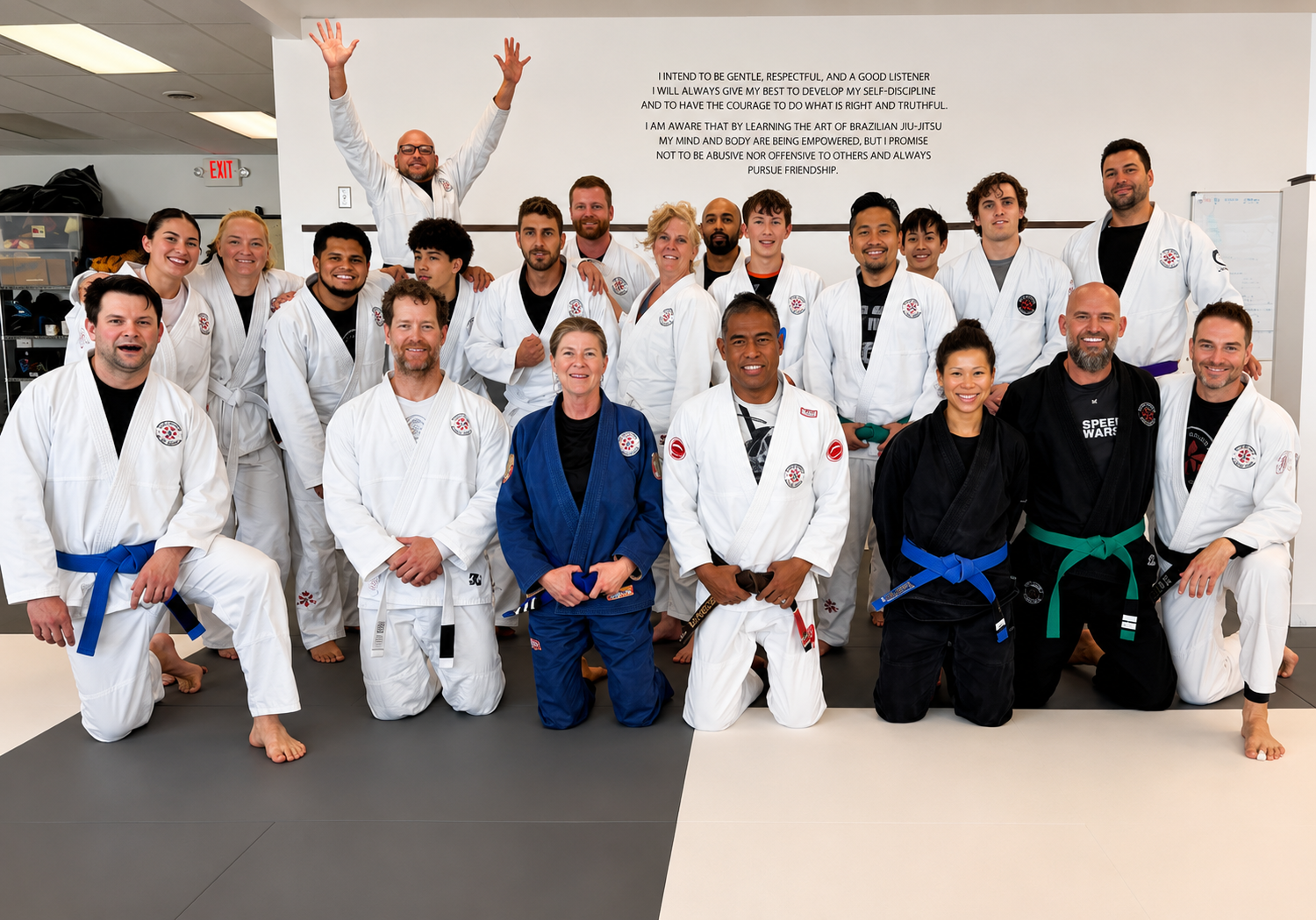
In today’s world, it has never been easier to communicate — yet many people feel more disconnected than ever before. Busy schedules, work demands, social media, stress, and modern routines often leave adults, teenagers, and even children feeling isolated, overwhelmed, and emotionally drained. At Six Blades Jiu-Jitsu South Denver , we believe Brazilian Jiu-Jitsu is about much more than learning techniques or getting a workout. It is about connection. It is about community. And most importantly, it is about creating an environment where people feel they truly belong. A Healthy Community Changes Lives Many people walk into a martial arts school for the first time looking for fitness, self-defense, confidence, or an activity for their children. What they often find instead is something much deeper. They find: • Encouragement • Accountability • Friendship • Purpose • Personal growth • Real human interaction Inside a positive academy environment, people begin to reconnect — not only with others, but with themselves. Students support one another through challenges. Parents build friendships. Children develop confidence and social skills. Adults rediscover discipline, motivation, and consistency. Over time, training partners become close friends, and the academy becomes a second home. Jiu-Jitsu Creates Real Human Connection One of the most unique aspects of Brazilian Jiu-Jitsu is that it requires trust, communication, and cooperation. You cannot train alone. Every class involves: • Learning together • Helping one another improve • Respecting training partners • Working through challenges as a team • Sharing victories and setbacks In a world increasingly dominated by screens and digital interaction, Jiu-Jitsu creates something rare: Real face-to-face connection. The relationships built on the mats are authentic because they are built through shared effort, vulnerability, discipline, and mutual respect. More Than Fitness Physical activity is incredibly important for overall well-being, but movement combined with community becomes even more powerful. At Six Blades, students often discover that the emotional benefits of training are just as meaningful as the physical ones. Training provides: • Structure and routine • Stress relief • Improved confidence • Positive social interaction • Healthy habits • Mental resilience • A sense of progress and achievement For many students, coming to class becomes one of the most positive and grounding parts of their day. A Family-Focused Environment At Six Blades, we proudly consider ourselves a family-focused community first, and a Jiu-Jitsu school second. We see families grow together every day: • Parents training alongside their children • Siblings supporting each other • Students mentoring newer teammates • Families building healthier lifestyles together • Kids learning leadership, discipline, and respect Our goal has never been simply to create champions on the mats. Our mission is to help people become stronger, healthier, more confident, and more connected in every aspect of life. The Importance of Belonging Everyone wants to feel seen. Everyone wants to feel valued. Everyone wants to feel part of something meaningful. That is what we strive to create every single day at Six Blades. Not just classes. Not just workouts. Not just martial arts. But a supportive environment where people can grow together, challenge themselves, and build lasting relationships on and off the mats. Because sometimes, the most important thing a person can find is not simply a new hobby. Sometimes, it is a community.
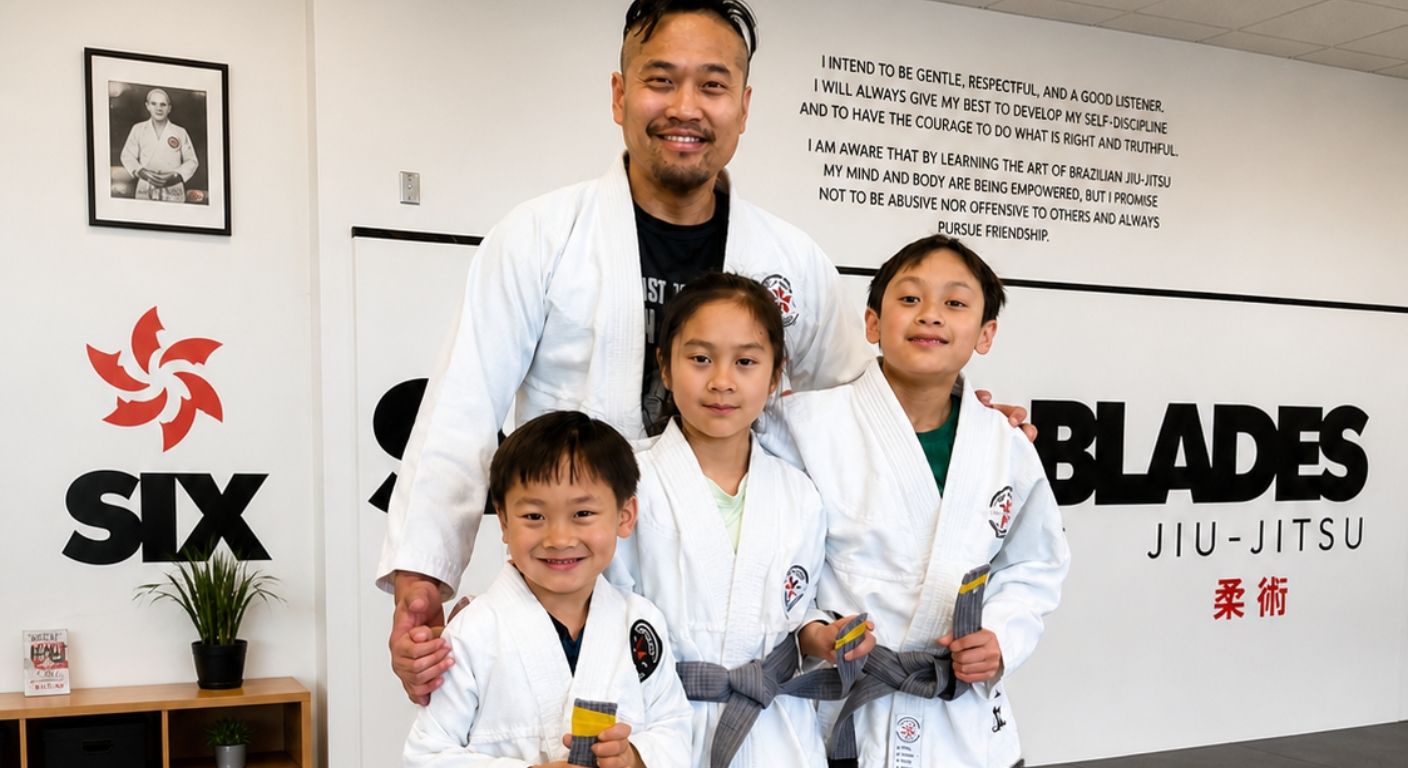
Choosing the right activity for your family goes far beyond convenience or schedule. You’re not just looking for a class. You’re looking for an environment that supports your child’s growth, your family’s values, and your long-term well-being. At Six Blades Jiu-Jitsu, we understand that — because we are a family-focused community first, and a Jiu-Jitsu school second. 1. A True Family Environment We don’t just teach individuals — we build families. From our youngest students to parents training alongside their kids, everything we do is designed to create connection, trust, and shared experiences. It’s common to see: • Parents and children training together • Siblings growing side by side • Families supporting each other on and off the mats This is more than training. It’s a lifestyle. 2. Structured Programs for Every Age Every stage of development matters. That’s why we offer clear, age-specific programs designed to support growth at the right pace: • Early childhood development (Parent & Me) • Foundational kids programs • Juniors and teens • Adults and beginners Each program is built not only to teach Brazilian Jiu-Jitsu, but to develop confidence, discipline, and character. 3. We Support Parents — Not Just Students One of the biggest differences at Six Blades is how we work with parents. We believe development is a partnership. That means: • Clear communication • Guidance on your child’s progress • Support during challenges • Alignment on values like respect, discipline, and responsibility We don’t leave parents guessing — we walk the journey together. 4. Values-Based Development Our foundation goes beyond technique. We reinforce core values every day: • Family • Respect • Honor • Discipline • Loyalty • Positive attitude These aren’t just words on the wall — they are lived on the mats. 5. Safe, Clean, and Professional Environment For families, safety and trust are non-negotiable. We provide: • Structured classes with clear organization • Close supervision and coaching • A clean, well-maintained facility • A positive and respectful culture Parents can feel confident knowing their children are in the right environment. 6. Leadership and Life Skills We are not just developing athletes. We are developing leaders. Through programs like leadership training, goal-setting, and responsibility-building, students gain skills that go far beyond Jiu-Jitsu — helping them succeed in school, relationships, and life. 6. Leadership and Life Skills Perhaps the most important difference: You are not just joining a gym. You are joining a community. We celebrate together. We support each other. We grow together. And that support extends beyond the mats — especially during challenging times. Conclusion There are many places to train. But very few places are built for families. At Six Blades Jiu-Jitsu, our mission is simple: To create an environment where families can grow stronger together — physically, mentally, and emotionally. Because when families are supported, everything else follows.
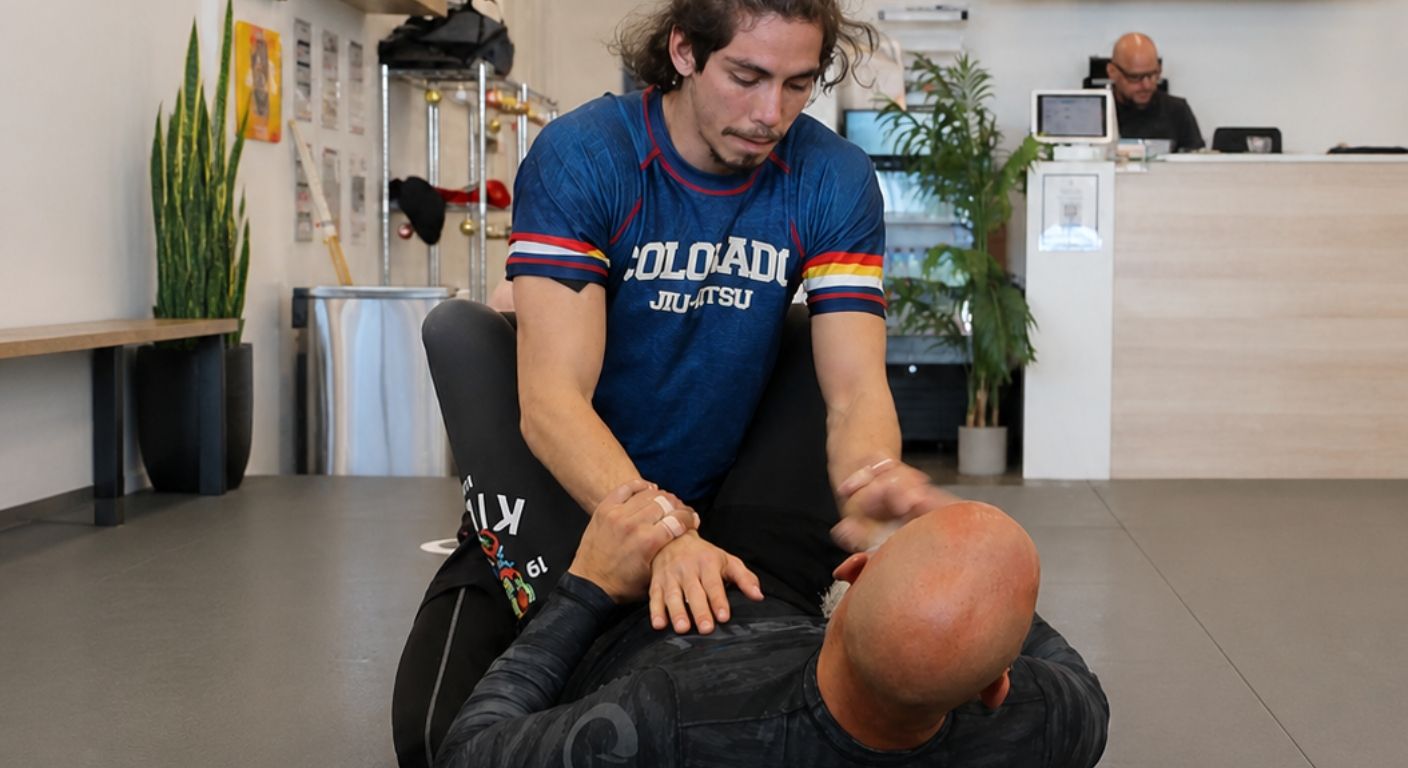
Brazilian Jiu-Jitsu is known for transforming lives. It builds confidence, discipline, resilience, and community. Yet, despite all its benefits, many people quit. Not because Jiu-Jitsu doesn’t work — but because they misunderstand the process. Why People Quit 1. It’s Hard (and It’s Supposed to Be) Jiu-Jitsu is one of the few activities where you face resistance every single class. You will struggle. You will feel uncomfortable. You will lose — often. For many, this is unfamiliar territory. In a world that seeks quick wins and instant gratification, the discomfort of learning Jiu-Jitsu can feel overwhelming. 2. Unrealistic Expectations Some students expect fast progress. They want to: • “Get good quickly” • Win rolls early • Feel confident right away But Jiu-Jitsu doesn’t reward impatience. Progress is slow, layered, and often invisible at first. When expectations don’t match reality, frustration sets in — and many choose to quit instead of adjusting their mindset. 3. Comparing Themselves to Others One of the biggest traps is comparison. A new student sees: • Someone more athletic • Someone learning faster • Someone already experienced And they start to question themselves. What they don’t see is the time, consistency, and struggles behind that person’s journey. Comparison steals motivation. 4. Ego and Discomfort Jiu-Jitsu humbles everyone. You will tap. You will be controlled. You will feel vulnerable. For some, this is difficult to accept. Instead of embracing the learning process, the ego resists — and quitting becomes the easier path. 5. Lack of Consistency Inconsistent training leads to slow progress. Slow progress leads to frustration. Frustration leads to quitting. It’s not a lack of talent — it’s a lack of continuity. Why We Reinforce the Process At our school, we don’t just teach techniques. We teach the process. Because the process is what creates long-term success — on and off the mats. 1. Focus on Showing Up Success in Jiu-Jitsu starts with one simple habit: Show up. Not perfectly. Not at your best every day. Just consistently. We reinforce attendance and commitment because that’s where growth begins. 2. Progress Over Perfection We remind our students: You don’t need to be perfect. You just need to be better than yesterday. Small improvements compound over time — and that’s how real skill is built. 3. Embracing Discomfort Discomfort is not a sign that something is wrong. It’s a sign that something is working. We teach our students to stay in the process, even when it’s challenging — because that’s where transformation happens. 4. Long-Term Vision Jiu-Jitsu is not a 3-month journey. It’s a long-term path. We constantly reinforce patience, discipline, and consistency — helping students understand that mastery takes time. 5. Building Confidence Through the Journey Confidence doesn’t come from winning. It comes from: • Not quitting • Overcoming challenges • Staying committed We help students see that every class — even the hard ones — is a step forward Conclusion People don’t quit Jiu-Jitsu because it doesn’t work. They quit because they expect it to be easier, faster, or more comfortable than it is. But for those who stay… Jiu-Jitsu becomes one of the most rewarding journeys of their lives. That’s why we reinforce the process. Because when you trust the process, you don’t just learn Jiu-Jitsu — you become stronger, more disciplined, and more resilient in everything you do

In today’s fast-paced and highly competitive business environment, professionals and organizations are constantly searching for ways to improve performance, resilience, and adaptability. Interestingly, one of the most effective tools for this development doesn’t come from a boardroom — it comes from the mats. Brazilian Jiu-Jitsu, often referred to as the “gentle art,” teaches that technique, strategy, and emotional control can overcome brute strength. These same principles translate powerfully into the corporate world. 1. Decision-Making Under Pressure In Jiu-Jitsu, every second matters. Situations evolve quickly, requiring fast and efficient decisions. This directly mirrors the corporate environment, where leaders must act with clarity under pressure.Practitioners develop emotional control, helping them avoid impulsive reactions and stay focused during high-stress situations. 2. Resilience and Adaptability Failure is part of the process — both on the mat and in business. In Jiu-Jitsu, you “lose” countless times during training, learning to adjust, improve, and come back stronger. This builds resilience, one of the most valuable traits in any professional setting. Organizations that foster this mindset create teams better equipped to navigate challenges, uncertainty, and change. 3. Leadership by Example Jiu-Jitsu emphasizes respect, knowledge, and leading by example rather than authority alone. In the corporate world, this translates into more effective leaders — individuals who inspire trust, lead with integrity, and influence through action, not just words. 4. Teamwork and Trust Although Jiu-Jitsu is an individual discipline, progress depends entirely on training partners. Without trust, there is no growth. This dynamic reinforces collaboration, empathy, and communication — all essential elements of high-performing teams. 5. Discipline and Consistency Success in Jiu-Jitsu is built over time through consistency, discipline, and patience. The same applies in business: sustainable growth comes from consistent execution and long-term commitment. Professionals who train often develop a strong work ethic and a long-term mindset — critical for both career and organizational success. 6. Strategic Thinking Jiu-Jitsu is not just about reacting — it’s about acting with purpose. Every movement is part of a broader strategy. This strategic mindset is invaluable in business, where decisions must align with clear objectives and long-term goals Conclusion Jiu-Jitsu doesn’t just build athletes — it builds leaders. Companies that encourage practices like Jiu-Jitsu are investing in something deeper: the holistic development of their people. It strengthens the mind, body, and character — producing professionals who are more resilient, focused, and effective. At the end of the day, what you learn on the mats doesn’t stay on the mats.

In today’s fast-paced and highly competitive business environment, professionals and organizations are constantly searching for ways to improve performance, resilience, and adaptability. Interestingly, one of the most effective tools for this development doesn’t come from a boardroom — it comes from the mats. Brazilian Jiu-Jitsu, often referred to as the “gentle art,” teaches that technique, strategy, and emotional control can overcome brute strength. These same principles translate powerfully into the corporate world. 1. Decision-Making Under Pressure In Jiu-Jitsu, every second matters. Situations evolve quickly, requiring fast and efficient decisions. This directly mirrors the corporate environment, where leaders must act with clarity under pressure.Practitioners develop emotional control, helping them avoid impulsive reactions and stay focused during high-stress situations. 2. Resilience and Adaptability Failure is part of the process — both on the mat and in business. In Jiu-Jitsu, you “lose” countless times during training, learning to adjust, improve, and come back stronger. This builds resilience, one of the most valuable traits in any professional setting. Organizations that foster this mindset create teams better equipped to navigate challenges, uncertainty, and change. 3. Leadership by Example Jiu-Jitsu emphasizes respect, knowledge, and leading by example rather than authority alone. In the corporate world, this translates into more effective leaders — individuals who inspire trust, lead with integrity, and influence through action, not just words. 4. Teamwork and Trust Although Jiu-Jitsu is an individual discipline, progress depends entirely on training partners. Without trust, there is no growth. This dynamic reinforces collaboration, empathy, and communication — all essential elements of high-performing teams. 5. Discipline and Consistency Success in Jiu-Jitsu is built over time through consistency, discipline, and patience. The same applies in business: sustainable growth comes from consistent execution and long-term commitment. Professionals who train often develop a strong work ethic and a long-term mindset — critical for both career and organizational success. 6. Strategic Thinking Jiu-Jitsu is not just about reacting — it’s about acting with purpose. Every movement is part of a broader strategy. This strategic mindset is invaluable in business, where decisions must align with clear objectives and long-term goals Conclusion Jiu-Jitsu doesn’t just build athletes — it builds leaders. Companies that encourage practices like Jiu-Jitsu are investing in something deeper: the holistic development of their people. It strengthens the mind, body, and character — producing professionals who are more resilient, focused, and effective. At the end of the day, what you learn on the mats doesn’t stay on the mats.