

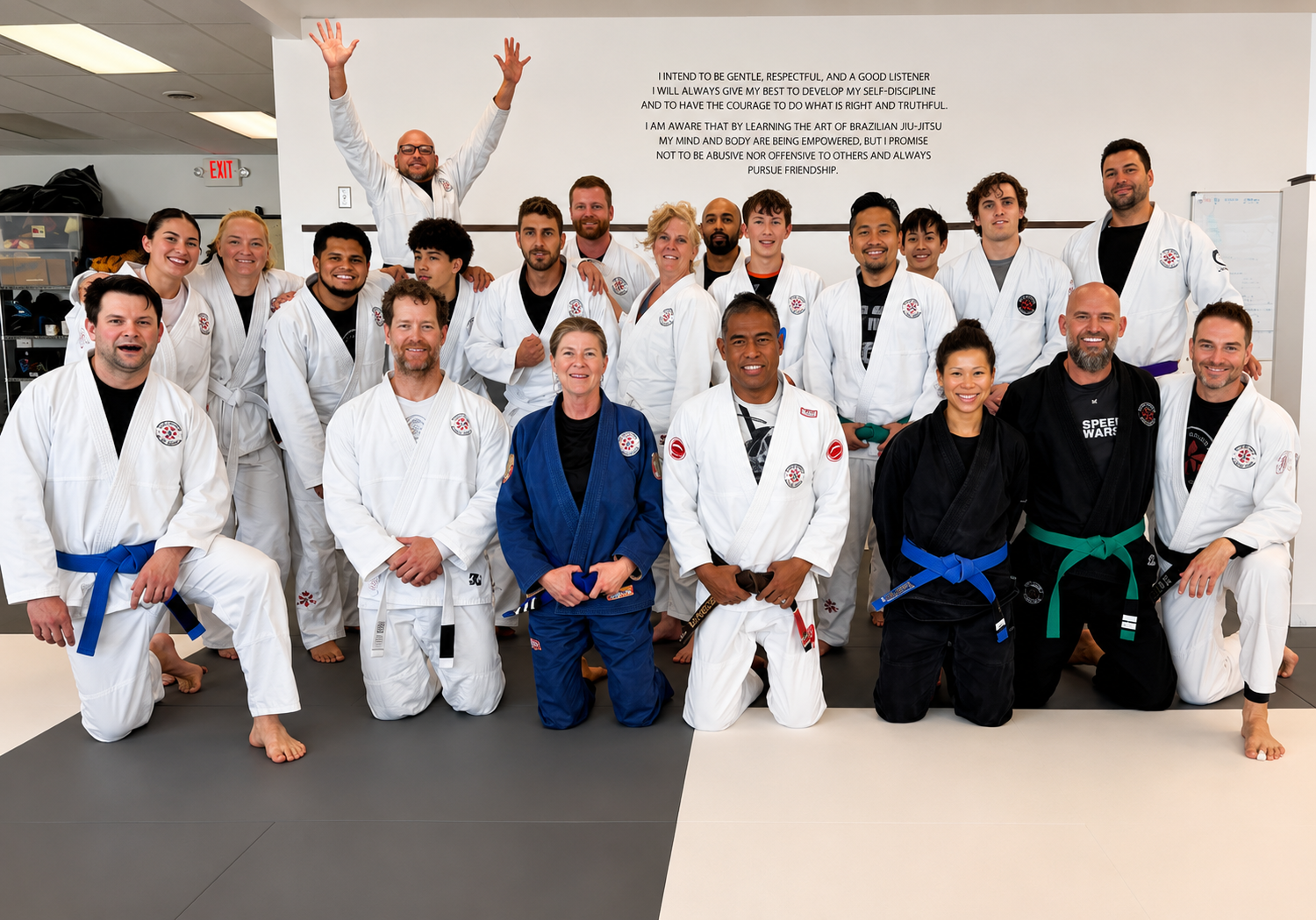
In today’s world, it has never been easier to communicate — yet many people feel more disconnected than ever before. Busy schedules, work demands, social media, stress, and modern routines often leave adults, teenagers, and even children feeling isolated, overwhelmed, and emotionally drained. At Six Blades Jiu-Jitsu South Denver , we believe Brazilian Jiu-Jitsu is about much more than learning techniques or getting a workout. It is about connection. It is about community. And most importantly, it is about creating an environment where people feel they truly belong. A Healthy Community Changes Lives Many people walk into a martial arts school for the first time looking for fitness, self-defense, confidence, or an activity for their children. What they often find instead is something much deeper. They find: • Encouragement • Accountability • Friendship • Purpose • Personal growth • Real human interaction Inside a positive academy environment, people begin to reconnect — not only with others, but with themselves. Students support one another through challenges. Parents build friendships. Children develop confidence and social skills. Adults rediscover discipline, motivation, and consistency. Over time, training partners become close friends, and the academy becomes a second home. Jiu-Jitsu Creates Real Human Connection One of the most unique aspects of Brazilian Jiu-Jitsu is that it requires trust, communication, and cooperation. You cannot train alone. Every class involves: • Learning together • Helping one another improve • Respecting training partners • Working through challenges as a team • Sharing victories and setbacks In a world increasingly dominated by screens and digital interaction, Jiu-Jitsu creates something rare: Real face-to-face connection. The relationships built on the mats are authentic because they are built through shared effort, vulnerability, discipline, and mutual respect. More Than Fitness Physical activity is incredibly important for overall well-being, but movement combined with community becomes even more powerful. At Six Blades, students often discover that the emotional benefits of training are just as meaningful as the physical ones. Training provides: • Structure and routine • Stress relief • Improved confidence • Positive social interaction • Healthy habits • Mental resilience • A sense of progress and achievement For many students, coming to class becomes one of the most positive and grounding parts of their day. A Family-Focused Environment At Six Blades, we proudly consider ourselves a family-focused community first, and a Jiu-Jitsu school second. We see families grow together every day: • Parents training alongside their children • Siblings supporting each other • Students mentoring newer teammates • Families building healthier lifestyles together • Kids learning leadership, discipline, and respect Our goal has never been simply to create champions on the mats. Our mission is to help people become stronger, healthier, more confident, and more connected in every aspect of life. The Importance of Belonging Everyone wants to feel seen. Everyone wants to feel valued. Everyone wants to feel part of something meaningful. That is what we strive to create every single day at Six Blades. Not just classes. Not just workouts. Not just martial arts. But a supportive environment where people can grow together, challenge themselves, and build lasting relationships on and off the mats. Because sometimes, the most important thing a person can find is not simply a new hobby. Sometimes, it is a community.
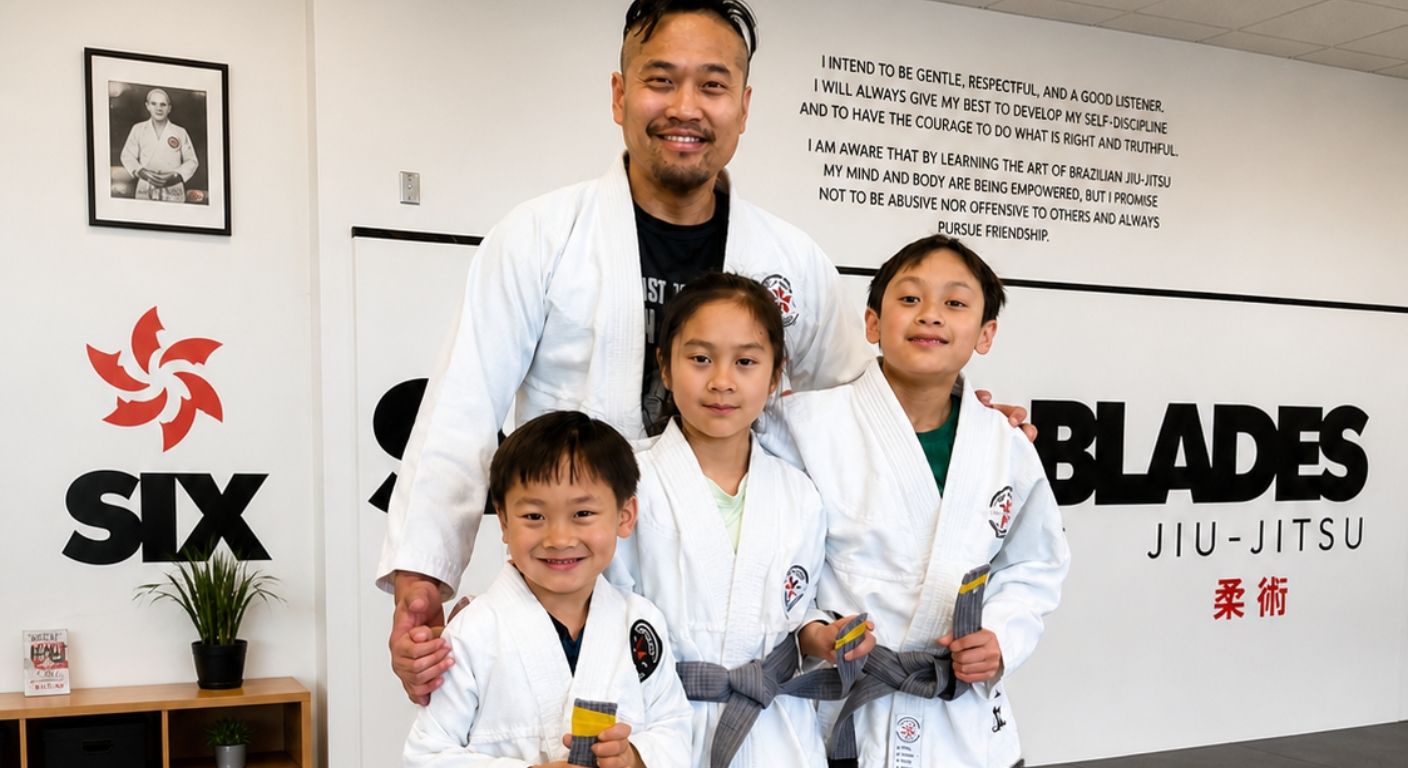
Choosing the right activity for your family goes far beyond convenience or schedule. You’re not just looking for a class. You’re looking for an environment that supports your child’s growth, your family’s values, and your long-term well-being. At Six Blades Jiu-Jitsu, we understand that — because we are a family-focused community first, and a Jiu-Jitsu school second. 1. A True Family Environment We don’t just teach individuals — we build families. From our youngest students to parents training alongside their kids, everything we do is designed to create connection, trust, and shared experiences. It’s common to see: • Parents and children training together • Siblings growing side by side • Families supporting each other on and off the mats This is more than training. It’s a lifestyle. 2. Structured Programs for Every Age Every stage of development matters. That’s why we offer clear, age-specific programs designed to support growth at the right pace: • Early childhood development (Parent & Me) • Foundational kids programs • Juniors and teens • Adults and beginners Each program is built not only to teach Brazilian Jiu-Jitsu, but to develop confidence, discipline, and character. 3. We Support Parents — Not Just Students One of the biggest differences at Six Blades is how we work with parents. We believe development is a partnership. That means: • Clear communication • Guidance on your child’s progress • Support during challenges • Alignment on values like respect, discipline, and responsibility We don’t leave parents guessing — we walk the journey together. 4. Values-Based Development Our foundation goes beyond technique. We reinforce core values every day: • Family • Respect • Honor • Discipline • Loyalty • Positive attitude These aren’t just words on the wall — they are lived on the mats. 5. Safe, Clean, and Professional Environment For families, safety and trust are non-negotiable. We provide: • Structured classes with clear organization • Close supervision and coaching • A clean, well-maintained facility • A positive and respectful culture Parents can feel confident knowing their children are in the right environment. 6. Leadership and Life Skills We are not just developing athletes. We are developing leaders. Through programs like leadership training, goal-setting, and responsibility-building, students gain skills that go far beyond Jiu-Jitsu — helping them succeed in school, relationships, and life. 6. Leadership and Life Skills Perhaps the most important difference: You are not just joining a gym. You are joining a community. We celebrate together. We support each other. We grow together. And that support extends beyond the mats — especially during challenging times. Conclusion There are many places to train. But very few places are built for families. At Six Blades Jiu-Jitsu, our mission is simple: To create an environment where families can grow stronger together — physically, mentally, and emotionally. Because when families are supported, everything else follows.
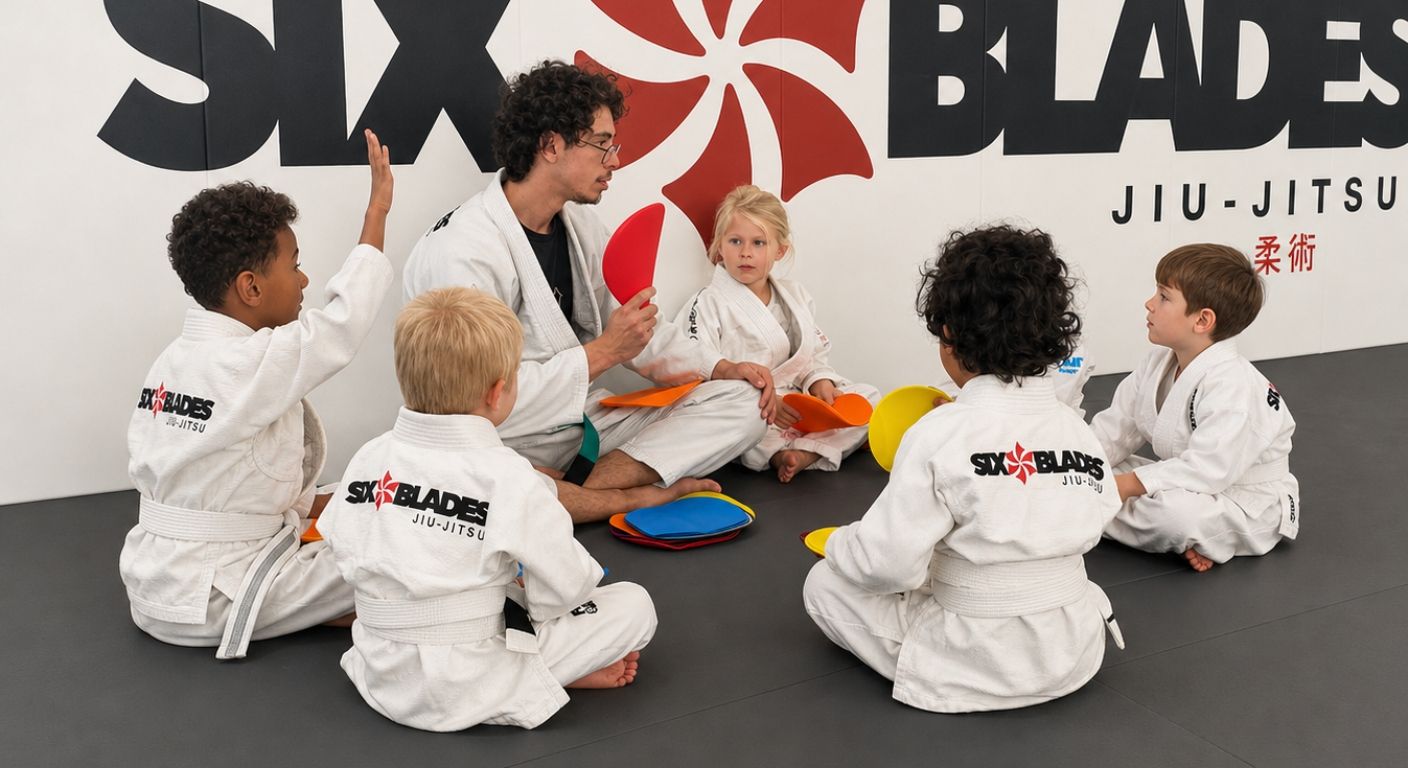
For many families, summer brings a shift in routine — vacations, camps, and a break from structured activities. While that can be healthy in moderation, stepping away completely from Brazilian JiuJitsu during the summer can slow down a child’s development more than most parents realize. Jiu-Jitsu is not just an activity. It’s a long-term developmental journey. And consistency is everything. 1. Progress Comes From Consistency, Not Intensity In Jiu-Jitsu, improvement doesn’t come from occasional bursts of effort. It comes from steady, consistent practice over time. When kids take long breaks: • They forget techniques • They lose timing and coordination • They feel “behind” when they return This often leads to frustration — and sometimes even a loss of confidence. 2. Structure Is Critical for Kids During the school year, children thrive on routine. Summer often removes that structure. Jiu-Jitsu provides: • A healthy routine • Physical activity • Mental engagement • Positive social interaction Keeping kids on the mats helps maintain balance during months that can otherwise become unstructured. 3. Confidence Is Built Through Continuity Confidence in Jiu-Jitsu is not built overnight. It comes from: • Repetition • Familiarity • Small wins over time When kids stay consistent, they continue building momentum. When they stop, that momentum resets. 4. Discipline and Habits Are Formed Daily One of the biggest benefits of Jiu-Jitsu is the development of discipline. But discipline is a habit — and habits require consistency. Taking the entire summer off sends the message that commitment is seasonal. Staying consistent reinforces: • Responsibility • Follow-through • Long-term thinking 5. Physical and Mental Health Matter Kids today have more access than ever to screens and sedentary activities — especially during summer. Jiu-Jitsu helps: • Keep them active • Improve coordination and fitness • Reduce stress and anxiety • Build resilience It’s one of the healthiest ways to balance the extra free time. 6. The Kids Who Stay… Grow the Most Every year, the pattern is the same: The kids who continue training through the summer: • Improve faster • Gain confidence • Step into leadership roles The ones who stop often need time just to get back to where they were. Conclusion Summer should be a time of growth — not regression. Taking a break might seem harmless, but in a skill like Jiu-Jitsu, consistency is what creates real progress. You don’t need to train more. You just need to keep showing up. Because in the long run, the students who stay consistent year-round are the ones who truly thrive — on the mats and in life.
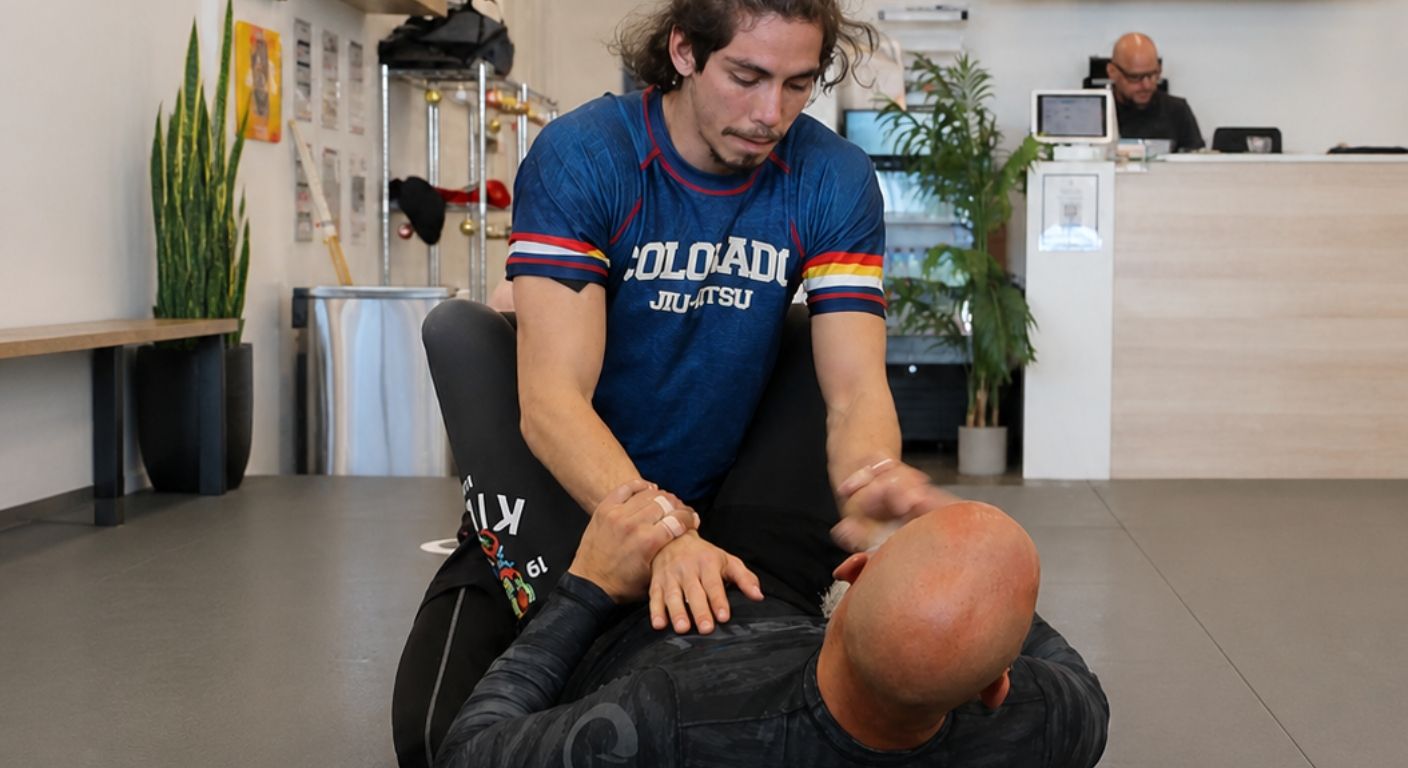
Brazilian Jiu-Jitsu is known for transforming lives. It builds confidence, discipline, resilience, and community. Yet, despite all its benefits, many people quit. Not because Jiu-Jitsu doesn’t work — but because they misunderstand the process. Why People Quit 1. It’s Hard (and It’s Supposed to Be) Jiu-Jitsu is one of the few activities where you face resistance every single class. You will struggle. You will feel uncomfortable. You will lose — often. For many, this is unfamiliar territory. In a world that seeks quick wins and instant gratification, the discomfort of learning Jiu-Jitsu can feel overwhelming. 2. Unrealistic Expectations Some students expect fast progress. They want to: • “Get good quickly” • Win rolls early • Feel confident right away But Jiu-Jitsu doesn’t reward impatience. Progress is slow, layered, and often invisible at first. When expectations don’t match reality, frustration sets in — and many choose to quit instead of adjusting their mindset. 3. Comparing Themselves to Others One of the biggest traps is comparison. A new student sees: • Someone more athletic • Someone learning faster • Someone already experienced And they start to question themselves. What they don’t see is the time, consistency, and struggles behind that person’s journey. Comparison steals motivation. 4. Ego and Discomfort Jiu-Jitsu humbles everyone. You will tap. You will be controlled. You will feel vulnerable. For some, this is difficult to accept. Instead of embracing the learning process, the ego resists — and quitting becomes the easier path. 5. Lack of Consistency Inconsistent training leads to slow progress. Slow progress leads to frustration. Frustration leads to quitting. It’s not a lack of talent — it’s a lack of continuity. Why We Reinforce the Process At our school, we don’t just teach techniques. We teach the process. Because the process is what creates long-term success — on and off the mats. 1. Focus on Showing Up Success in Jiu-Jitsu starts with one simple habit: Show up. Not perfectly. Not at your best every day. Just consistently. We reinforce attendance and commitment because that’s where growth begins. 2. Progress Over Perfection We remind our students: You don’t need to be perfect. You just need to be better than yesterday. Small improvements compound over time — and that’s how real skill is built. 3. Embracing Discomfort Discomfort is not a sign that something is wrong. It’s a sign that something is working. We teach our students to stay in the process, even when it’s challenging — because that’s where transformation happens. 4. Long-Term Vision Jiu-Jitsu is not a 3-month journey. It’s a long-term path. We constantly reinforce patience, discipline, and consistency — helping students understand that mastery takes time. 5. Building Confidence Through the Journey Confidence doesn’t come from winning. It comes from: • Not quitting • Overcoming challenges • Staying committed We help students see that every class — even the hard ones — is a step forward Conclusion People don’t quit Jiu-Jitsu because it doesn’t work. They quit because they expect it to be easier, faster, or more comfortable than it is. But for those who stay… Jiu-Jitsu becomes one of the most rewarding journeys of their lives. That’s why we reinforce the process. Because when you trust the process, you don’t just learn Jiu-Jitsu — you become stronger, more disciplined, and more resilient in everything you do

In today’s fast-paced and highly competitive business environment, professionals and organizations are constantly searching for ways to improve performance, resilience, and adaptability. Interestingly, one of the most effective tools for this development doesn’t come from a boardroom — it comes from the mats. Brazilian Jiu-Jitsu, often referred to as the “gentle art,” teaches that technique, strategy, and emotional control can overcome brute strength. These same principles translate powerfully into the corporate world. 1. Decision-Making Under Pressure In Jiu-Jitsu, every second matters. Situations evolve quickly, requiring fast and efficient decisions. This directly mirrors the corporate environment, where leaders must act with clarity under pressure.Practitioners develop emotional control, helping them avoid impulsive reactions and stay focused during high-stress situations. 2. Resilience and Adaptability Failure is part of the process — both on the mat and in business. In Jiu-Jitsu, you “lose” countless times during training, learning to adjust, improve, and come back stronger. This builds resilience, one of the most valuable traits in any professional setting. Organizations that foster this mindset create teams better equipped to navigate challenges, uncertainty, and change. 3. Leadership by Example Jiu-Jitsu emphasizes respect, knowledge, and leading by example rather than authority alone. In the corporate world, this translates into more effective leaders — individuals who inspire trust, lead with integrity, and influence through action, not just words. 4. Teamwork and Trust Although Jiu-Jitsu is an individual discipline, progress depends entirely on training partners. Without trust, there is no growth. This dynamic reinforces collaboration, empathy, and communication — all essential elements of high-performing teams. 5. Discipline and Consistency Success in Jiu-Jitsu is built over time through consistency, discipline, and patience. The same applies in business: sustainable growth comes from consistent execution and long-term commitment. Professionals who train often develop a strong work ethic and a long-term mindset — critical for both career and organizational success. 6. Strategic Thinking Jiu-Jitsu is not just about reacting — it’s about acting with purpose. Every movement is part of a broader strategy. This strategic mindset is invaluable in business, where decisions must align with clear objectives and long-term goals Conclusion Jiu-Jitsu doesn’t just build athletes — it builds leaders. Companies that encourage practices like Jiu-Jitsu are investing in something deeper: the holistic development of their people. It strengthens the mind, body, and character — producing professionals who are more resilient, focused, and effective. At the end of the day, what you learn on the mats doesn’t stay on the mats.

In today’s fast-paced and highly competitive business environment, professionals and organizations are constantly searching for ways to improve performance, resilience, and adaptability. Interestingly, one of the most effective tools for this development doesn’t come from a boardroom — it comes from the mats. Brazilian Jiu-Jitsu, often referred to as the “gentle art,” teaches that technique, strategy, and emotional control can overcome brute strength. These same principles translate powerfully into the corporate world. 1. Decision-Making Under Pressure In Jiu-Jitsu, every second matters. Situations evolve quickly, requiring fast and efficient decisions. This directly mirrors the corporate environment, where leaders must act with clarity under pressure.Practitioners develop emotional control, helping them avoid impulsive reactions and stay focused during high-stress situations. 2. Resilience and Adaptability Failure is part of the process — both on the mat and in business. In Jiu-Jitsu, you “lose” countless times during training, learning to adjust, improve, and come back stronger. This builds resilience, one of the most valuable traits in any professional setting. Organizations that foster this mindset create teams better equipped to navigate challenges, uncertainty, and change. 3. Leadership by Example Jiu-Jitsu emphasizes respect, knowledge, and leading by example rather than authority alone. In the corporate world, this translates into more effective leaders — individuals who inspire trust, lead with integrity, and influence through action, not just words. 4. Teamwork and Trust Although Jiu-Jitsu is an individual discipline, progress depends entirely on training partners. Without trust, there is no growth. This dynamic reinforces collaboration, empathy, and communication — all essential elements of high-performing teams. 5. Discipline and Consistency Success in Jiu-Jitsu is built over time through consistency, discipline, and patience. The same applies in business: sustainable growth comes from consistent execution and long-term commitment. Professionals who train often develop a strong work ethic and a long-term mindset — critical for both career and organizational success. 6. Strategic Thinking Jiu-Jitsu is not just about reacting — it’s about acting with purpose. Every movement is part of a broader strategy. This strategic mindset is invaluable in business, where decisions must align with clear objectives and long-term goals Conclusion Jiu-Jitsu doesn’t just build athletes — it builds leaders. Companies that encourage practices like Jiu-Jitsu are investing in something deeper: the holistic development of their people. It strengthens the mind, body, and character — producing professionals who are more resilient, focused, and effective. At the end of the day, what you learn on the mats doesn’t stay on the mats.
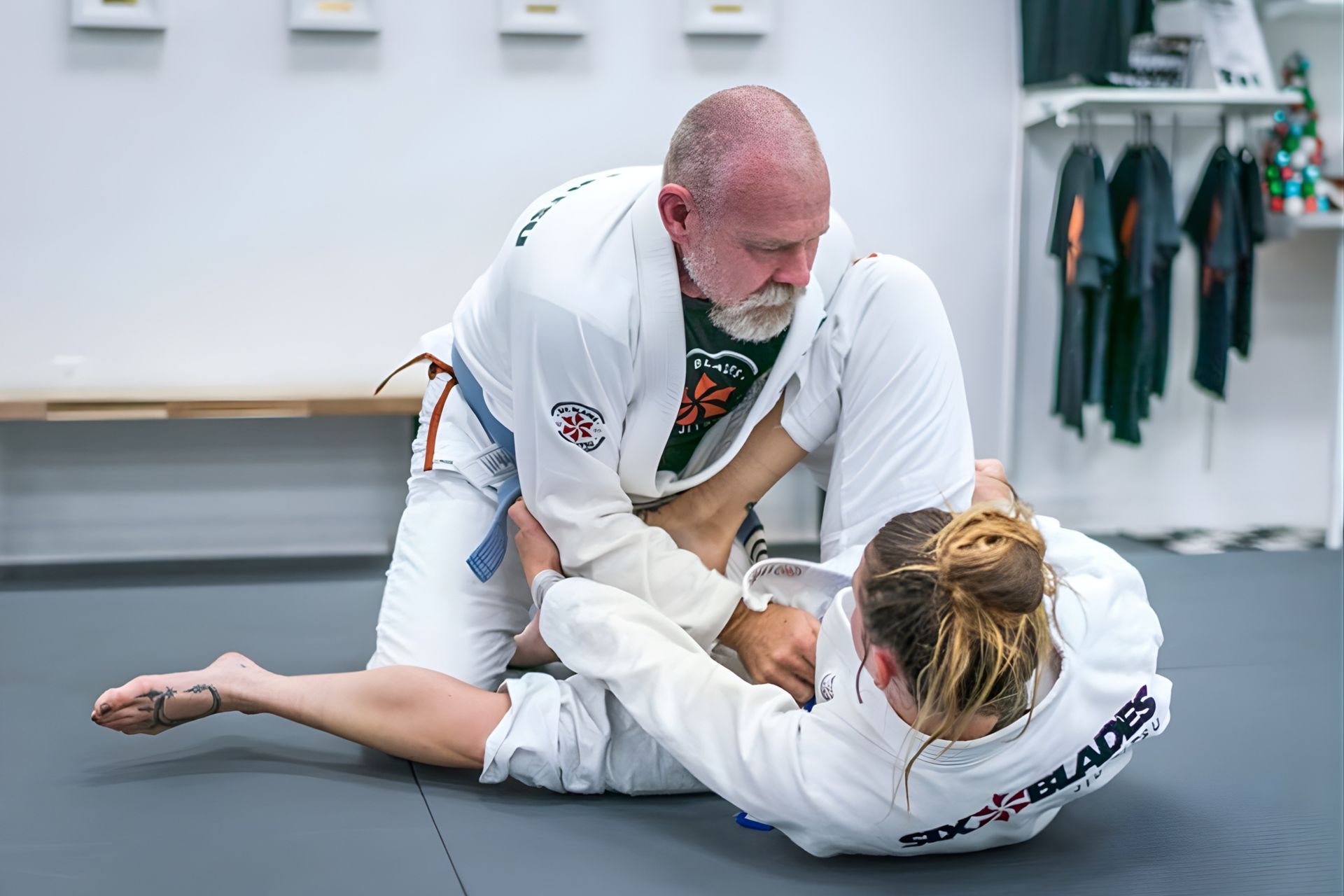
Age is just a number when it comes to self-improvement, and learning martial arts after 40 is one of the most empowering decisions you can make. At Six Blades Jiu Jitsu South Denver, we help individuals in their 40s, 50s, and beyond discover the incredible benefits of training in Brazilian Jiu-Jitsu (BJJ). Whether you’re looking for self-defense skills, better mobility, or a supportive community, our academy provides a life-changing experience. Self-Defense & Self-Protection One of the biggest reasons people over 40 start Jiu-Jitsu is self-defense. Unlike striking-based martial arts, BJJ focuses on using leverage and technique rather than brute strength. This means that regardless of size or age, you can learn to defend yourself against a larger, stronger opponent. Our structured training ensures that you gain real-world self-protection skills while training in a safe, controlled environment. Body Awareness & Mobility As we age, maintaining mobility and coordination becomes essential. Jiu-Jitsu teaches you how to move efficiently, improving balance, flexibility, and core strength. Many students over 40 find that BJJ helps reduce stiffness, strengthen stabilizing muscles, and enhance overall body awareness, making everyday movements easier and more controlled. Mental Health: Combating Depression & Anxiety Martial arts is not just about physical fitness—it’s also a powerful tool for mental well-being. The challenges of Jiu-Jitsu require focus, problem-solving, and perseverance, which can be incredibly beneficial in managing anxiety and depression. The act of training releases endorphins, reduces stress, and provides a healthy mental escape from daily life. Building Sociability & Community Training at Six Blades Jiu Jitsu South Denver means becoming part of a supportive and welcoming community. Many adults over 40 struggle to find new social circles, but Jiu-Jitsu offers an instant network of like-minded individuals. The camaraderie built on the mats extends beyond training sessions, leading to meaningful friendships and a sense of belonging. Developing a Positive Mindset BJJ teaches patience, resilience, and the ability to overcome obstacles. As a result, students often develop a more positive outlook on life. The discipline and goal-setting involved in training help reinforce confidence and a sense of achievement, leading to a stronger, more optimistic mindset. Take the First Step! It’s never too late to start training. At Six Blades Jiu Jitsu South Denver, we offer classes tailored to all experience levels, ensuring a safe and enjoyable environment for everyone—no matter their age or background. Whether you’re looking for self-defense, fitness, or personal growth, BJJ has something to offer you. Join us today and experience the life-changing benefits of Jiu-Jitsu!
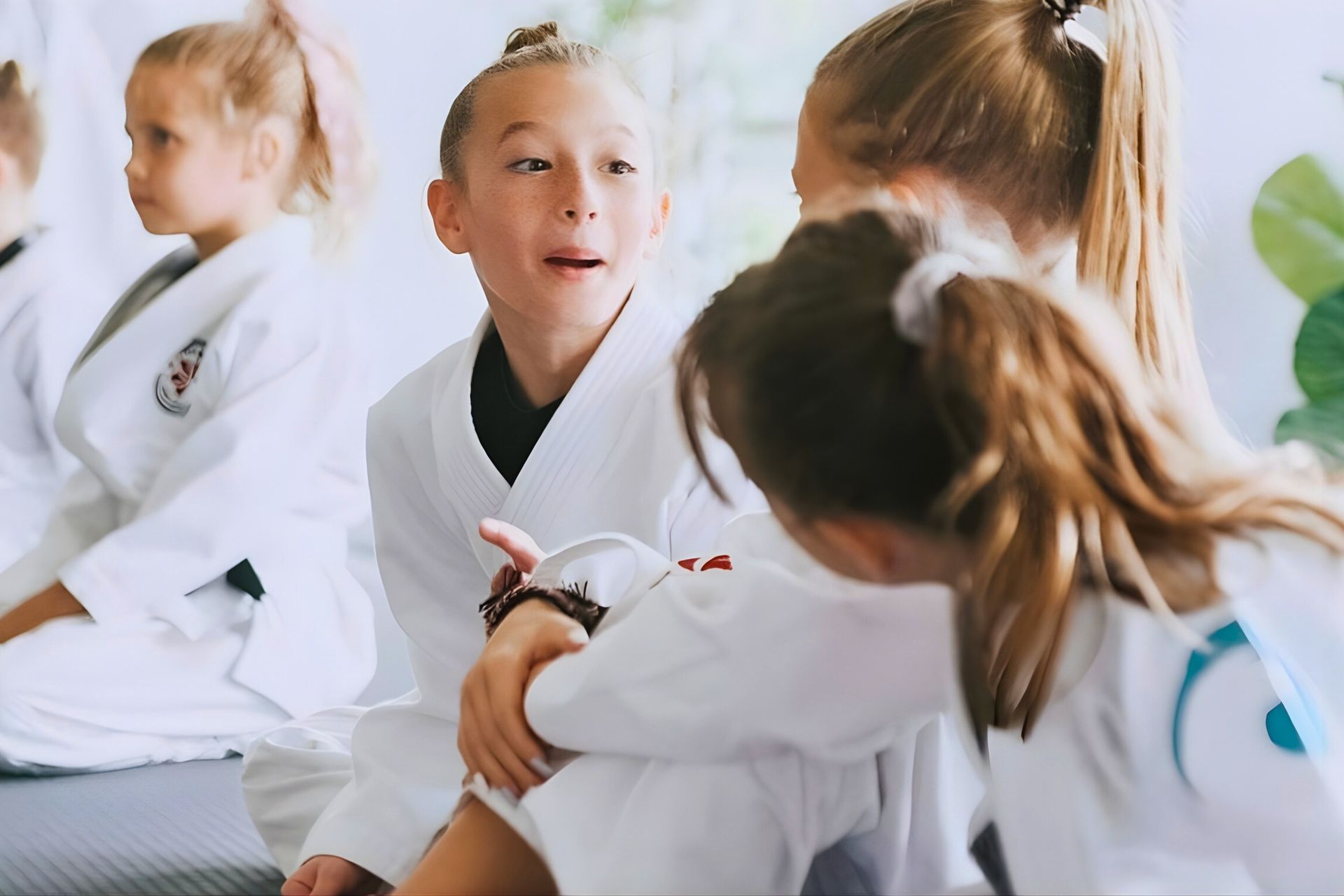
At Six Blades, we employ a diverse teaching methodology within different fields of study aimed not only at providing practical self-defense knowledge, but also a holistic personal development. Through our unique pedagogy, we strive to help our young students develop their personalities as empowered members of their families and communities. Mutual respect and cooperation are encouraged, as well as socializing, problem solving and, of course, fun. We work hard to ensure that our young students stay away from all the negative habits that are so common with many children. If you’re interested in instilling your child with unshakable confidence while reinforcing positive values and good character, the the Six Blades Bullyproof program is for you! Even if your child has previously tried Brazilian Jiu-Jitsu (BJJ) and had a negative experience, we can assure you that they will absolutely love the Six Blades Bullyproof program!
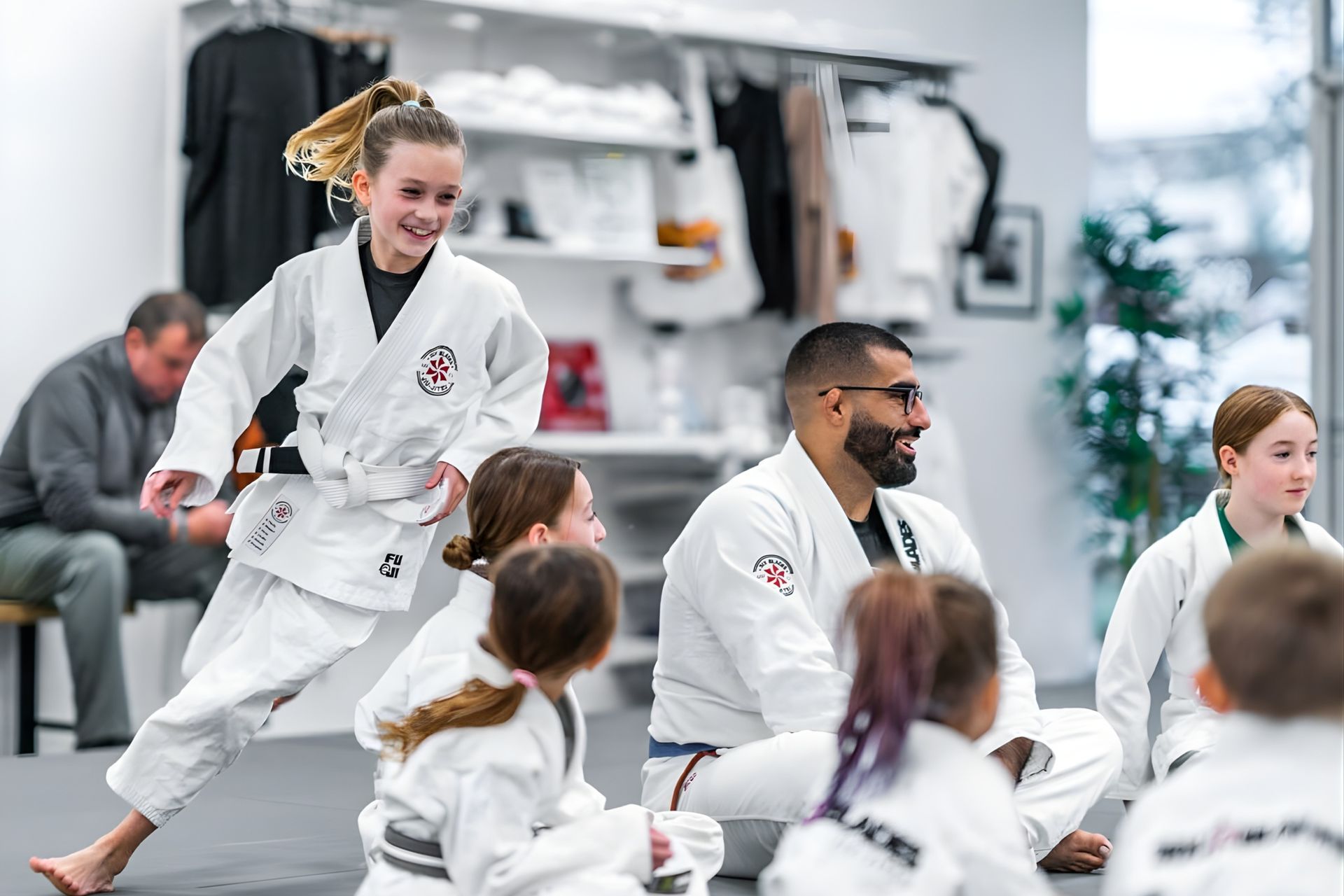
Every month in the United States, three million children miss school due to fear of bullies. In the Six Blades Bullyproof program, our goal is to instill your child with unshakable confidence so they can overcome bullies without violence. In fact, many believe that fear of bullying may be the leading cause of low self-confidence in children. Worse, statistics suggest that less than 15% of kids actually report acts of bullying. We know that most bullies are insecure and seek self-esteem normally by harassing smaller or weaker children. These negative experiences often create psychological trauma that might last a lifetime. We will teach your child to use verbal assertiveness to deter bullies and several non-violent self-defense techniques to stay safe if physically assaulted. Importantly, we don’t teach how to punch or kick, since this often does more harm than good. Instead, we use leverage-based control holds to neutralize threats without violence. Numerous school districts have embraced the defensive nature of the Six Blades Bullyproof techniques as a reasonable, nonviolent response to bullying and some even host the Six Blades Bullyproof classes on campus! The bottom line is: we will prepare your child to defend themselves against bullies without turning them into one.
A professional athlete shares their struggle with depression on social media. An elite competitor steps away from their sport while the whole world is watching. A decorated champion credits therapy for saving their life. High-profile players have shown the world that no one is immune to mental health challenges. Now, athletes are breaking the stigma around mental health in sports — and educating people on why they should prioritize their own mental health. The importance of mental health in sports When an athlete has an injury like a broken bone, they get medical help and take time off to recover. But a mental health issue can equally impact an athlete’s performance. These issues need care and attention, too. “The mind-body connection is so important,” says Naomi Girma , a professional soccer player for the San Diego Wave Fútbol Club and a sports ambassador for Kaiser Permanente. “Your mind can either be a huge help or hold you back.” Exercise can have a positive effect on a person’s mood. But that doesn’t mean it protects athletes from experiencing mental health issues. While athletes have the same risk of mental health conditions as other people, they face stressors that can trigger mental health issues. Up to 34% of elite athletes have symptoms of anxiety and depression. And for college student-athletes, 30% of women and 25% of men report having anxiety. It’s important to talk about mental health and ask for support when you need it. Athletes shouldn’t struggle in silence, Girma says. A healthy mental outlook can often help you bounce back from difficult situations, manage your emotions, and feel good about yourself and your life. What affects athletes’ mental health? Regardless of age and background, many athletes share similar mental health concerns. Anxiety Along with the stress of competition, athletes feel pressure to win from many places. Coaches, teammates, family, friends, fans, themselves. This can lead to performance anxiety. And winning or losing isn’t the only source of stress. Athletes may feel like they’re not good enough during training and practice. Even when they’re doing well, they might feel like they should perform better every day, with no “off” days. Physical and social stress Years of training and competing under chronic stress can lead to burnout. Strict diet and unrealistic body expectations can cause disordered eating. If forced to take time off because of an injury, many athletes become depressed. 3 And solo players — who mostly interact with coaches and competitors — can struggle with loneliness . Time demands Athletes may spend 40 hours a week on their sport — sometimes on top of a full-time job or school. Traveling for games can mean missing important personal events or classes. Student-athletes still must find time for assignments and studying. And college student-athletes who don’t have time to work may face financial trouble. Because of these triggers, it’s important for athletes to focus on their mental health. Coping with stress in a healthy way will help them stay focused on their passion. Signs of mental health issues in athletes When someone is struggling with their mental health, it can show in how they feel, think, or act. Here are some signs to look out for: Loss of interest in their sport or a decline in performance Sudden changes in behavior Increased irritability or short temper Frequent low or sad moods Negative self-talk Difficulty concentrating Avoiding social situations Sleeping or eating too little or too much If this sounds like someone close to you, the best thing you can do is start a conversation about it. Athletes often feel like they should be tough and help themselves. But they’re human, like everyone else. Let them know you see them and are there to help. Learn what to say at Find Your Words . How to prioritize mental health for athletes Athletes who train their minds are more likely to perform better. Whether you’re a high school athlete, college player, or elite competitor, here are 6 ways you can prioritize your mental health. Create a support system Keep up relationships with friends and loved ones outside the game — people who value you for who you are. Speak openly about mental health with your teammates and coaches. People want to be there for each other, but they need to know what’s going on. Sharing your own struggles — and letting others know you’re there for them — will help end the stigma surrounding mental health in sports. “We often keep our feelings to ourselves because we don’t want to feel like a burden,” says Girma. “But we underestimate just how much people enjoy helping each other. It feels so good when we can come through for someone we care about.” Draw boundaries It’s important to find a balance between sports and your personal life. Give yourself time to rest and recover, mentally and physically. See your friends and family when you can. If you’re in school, make time to keep up with your classes — join a study group or connect with a tutor. If you feel like you need a reset, you may want to take time off. A vacation, an offseason, or a longer break can help you reconnect with yourself — and your passion. Develop a self-care program Excelling at sports requires intense physical training. When it comes to your mental health, self-care is like training for your brain. It can help reduce stress, relieve symptoms of depression, and increase resilience. Experiment with a variety of self-care approaches. What works may depend on the moment. Some ideas to try: Journal to clear your head Spend time in nature Meditate or do breathing exercises Talk to a friend Make art Play with a pet List what you’re grateful for Set goals Small, achievable goals — for your sport and your personal life — can help you feel in control and less overwhelmed. Meeting your goals increases your motivation and self-esteem and helps you stay focused. Practice positive self-talk Whether it’s first thing in the morning or before a competition, try giving yourself a pep talk. Look at yourself in the mirror and speak like you would to your best friend or teammate. Tell yourself, “I’ve worked hard” or “I’ve got this.” Get help Lifestyle changes and healthy habits are a big part of caring for your mental health. Serious conditions like depression or substance abuse may also need specialized treatment. Reach out to your personal doctor or a mental health professional if you need support. How parents can help teens and kids protect their mental health Supporting your child’s mental health is one of the most important parts of parenting. The first step you can take is to ask how they’re feeling and listen to understand. This isn’t a one-time conversation — bring it up regularly. Help them identify their emotions and find healthy ways to express them. If your child’s behavior or feelings concern you, call their pediatrician or a mental health specialist. If you think your child’s sports team is hazing, reach out to the coach or athletics department. The kid’s physical and mental safety should be everyone’s priority.